
How Much Does LVP Installation Cost in Warner Robins, GA?
In Warner Robins, you’ll typically pay between $3 and $8 per square foot for LVP installation, covering both materials and labor. That’s usually more budget-friendly than Atlanta or Savannah pricing. Your final cost depends on factors like subfloor condition, room layout, and the LVP grade you choose. If old flooring needs removal, expect to add another $1 to $2 per square foot. Stick around — there’s a lot more to unpack before you budget your project.
Key Takeaways
- LVP installation in Warner Robins, GA typically costs $3 to $8 per square foot, including both materials and labor.
- Material costs range from $1.50 to $8.00+ per square foot, depending on whether you choose budget, mid-range, or premium LVP.
- Removing old flooring adds approximately $1 to $2 per square foot to your total project cost.
- Hidden costs like subfloor repairs, underlayment, and disposal fees can add $1 to $3 per square foot unexpectedly.
- Comparing at least three local contractor quotes and scheduling during late winter can help secure better pricing.
Average LVP Installation Cost in Warner Robins, GA
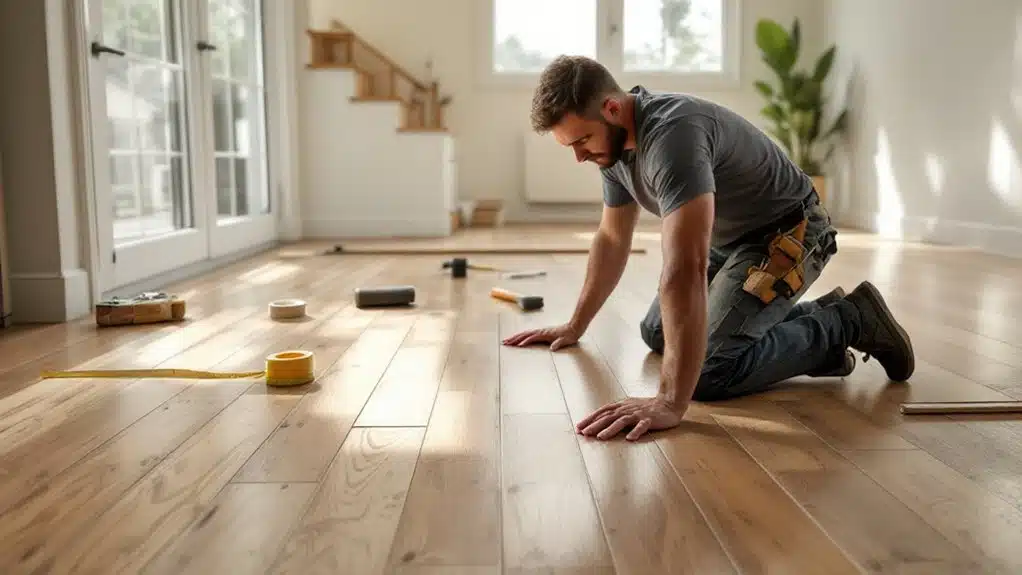
When budgeting for LVP flooring in Warner Robins, you’re typically looking at a total installed cost of $3 to $8 per square foot, covering both materials and labor. Local LVP pricing trends reflect Georgia’s competitive contractor market, so you’ll often find rates more affordable here than in larger metro areas like Atlanta.
Several installation factors influence where your project falls within that range. Subfloor condition, room layout complexity, and the LVP grade you choose all affect the final number. Removing old flooring adds cost, typically $1 to $2 per square foot more. LVP’s superior water resistance compared to laminate makes it an ideal choice for moisture-prone areas like kitchens and bathrooms, which may impact your material selection and overall budget.
For a 500-square-foot space, you’re realistically budgeting $1,500 to $4,000 total. Getting at least three local quotes guarantees you’re serving your household’s needs without overpaying for quality results.
What Drives the Price Up or Down?
Now that you’ve got a ballpark figure, it helps to know what pushes your project toward $3 or closer to $8 per square foot. Several key factors shape your final number in Warner Robins.
Labor costs vary by contractor experience and crew availability, especially during peak renovation seasons. Material quality matters too — budget LVP runs thinner with shorter warranties, while premium planks handle Georgia’s humidity swings far better. Installation complexity drives costs up when you’re dealing with uneven subfloors, stairs, or intricate room layouts requiring extra cuts. Location factors specific to Warner Robins — including local supplier pricing and regional demand — likewise affect your quote.
Understanding these variables helps you make smarter decisions for the families and spaces you’re serving, without sacrificing quality or stretching your budget unnecessarily. Premium LVP’s water resistance properties make it particularly valuable in moisture-prone Georgia climates, justifying higher material investment in bathrooms and kitchens.
LVP Material Costs: Budget vs. Premium Options
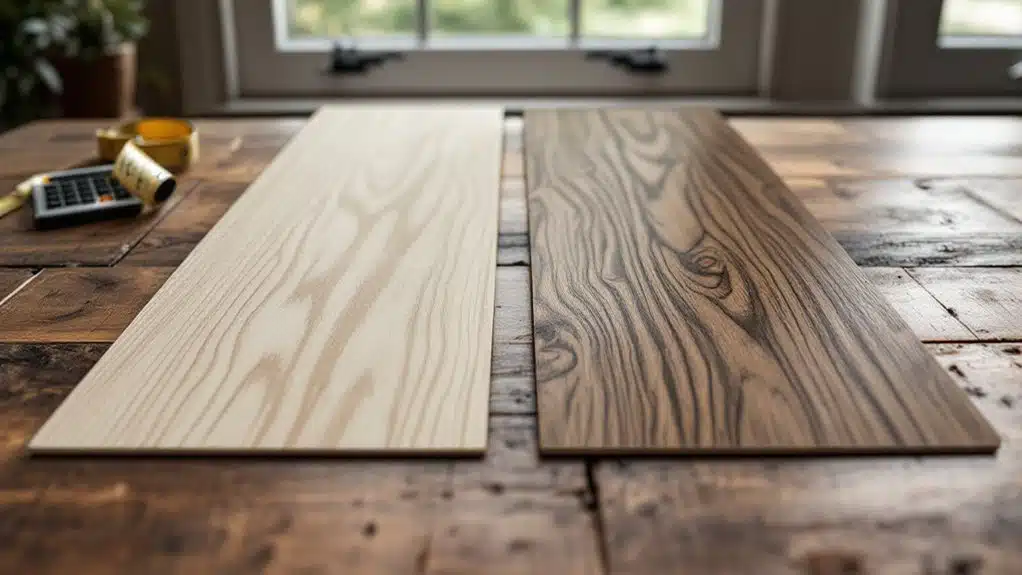
Choosing the right LVP product for your Warner Robins project starts with understanding what you’re actually paying for at each price tier. Budget considerations typically land between $1.50–$3.00 per square foot for entry-level LVP. These products work for rental properties or low-traffic rooms but offer thinner wear layers and less realistic visuals.
Mid-range options ($3.00–$5.00/sq ft) hit the sweet spot for most local homeowners, balancing durability with aesthetics. Premium features—like 12-mil wear layers, attached underlayment, and waterproof cores—push costs to $5.00–$8.00+ per square foot. In Georgia’s humid climate, that added protection matters. LVP’s water-resistant properties make premium options particularly valuable in moisture-prone areas like kitchens and bathrooms.
For homes serving families, clients, or guests, investing in mid-to-premium LVP often reduces long-term replacement costs and keeps floors looking sharp through heavy daily use.
Hidden Costs Most Homeowners Don’t Expect
Even a well-planned LVP budget can fall short once the project gets underway. In Warner Robins, several hidden fees catch homeowners off guard. Subfloor repairs top the list—Georgia’s humidity often warps or softens subfloors, adding $1–$3 per square foot before a single plank goes down. You’ll additionally face unexpected expenses like furniture removal, old flooring disposal, and changeover strips between rooms. If your home has multiple doorways or oddly shaped spaces, material waste increases your total considerably. Don’t overlook underlayment—some LVP products require a separate layer, which adds both material and labor costs. Finally, permit fees may apply depending on your project scope. Knowing these costs upfront helps you serve your household well by avoiding financial surprises mid-project.
How to Get the Best Value From Local Installers
Getting the best value from Warner Robins LVP installers comes down to three core strategies: comparing multiple quotes, timing your project right, and knowing what to ask. Request at least three bids from local contractors, and don’t choose based solely on price. Ask for itemized quotes so you can compare labor, materials, and prep work separately.
For installation tips, schedule your project during late winter or early spring when local demand slows and installers are more flexible on pricing. Local recommendations from neighbors in established Warner Robins communities like Kathleen or Bonaire carry real weight—ask who they’ve used and whether the installer stood behind their work. Always verify licensing, request references, and confirm your quote includes subfloor prep and disposal fees upfront.
Frequently Asked Questions
How Long Does LVP Installation Typically Take in Warner Robins Homes?
Your LVP installation timeline typically spans one to three days for most Warner Robins homes. Your project duration depends on square footage and subfloor prep, so you’ll want to plan accordingly for minimal disruption to your household.
Can LVP Flooring Be Installed Over Existing Tile or Hardwood?
Yes, you can install LVP over existing tile or hardwood, but you’ll want to assess flooring compatibility first. Warner Robins installers often identify installation challenges like uneven surfaces that need addressing to guarantee lasting, beautiful results for your home.
What Warranties Do Warner Robins LVP Installers Commonly Offer Customers?
Like a safety net beneath a tightrope walker, warranty coverage protects your investment. Warner Robins LVP installers typically offer you manufacturer product warranties plus installation guarantees covering workmanship defects, ensuring you’re confidently protected after your flooring project’s complete.
Is LVP Flooring a Good Choice for Warner Robins’ Humid Climate?
You’ll find LVP flooring’s humidity resistance makes it an excellent choice for Warner Robins’ muggy climate. Its climate adaptability handles Georgia’s intense moisture and heat well, protecting your home and serving your family’s long-term flooring needs beautifully.
How Soon Can Furniture Be Placed After LVP Installation Completes?
Like Rome, you can’t rush good foundations — wait 24 hours before furniture placement after installation timing completes. In Warner Robins’ humidity, you’ll want LVP to fully acclimate, ensuring lasting floors that’ll serve your household beautifully.
Conclusion
When you’re budgeting for LVP in Warner Robins, knowing your numbers upfront saves you from costly surprises. Here’s something worth noting: Georgia homeowners who get at least three local quotes typically save 15–20% on installation costs. Warner Robins’ mix of humidity and clay-heavy soil makes proper subfloor prep non-negotiable, so don’t cut corners there. Work with installers who know Middle Georgia’s conditions, and you’ll get a floor that lasts.