How Much Does a Tub-to-Tile-Shower Conversion Cost in Warner Robins?
A tub-to-tile shower conversion in Warner Robins typically costs between $1,200 and $8,000. Your final price depends on the size of the space, the tile you choose, and how much plumbing work your home needs. Local labor rates here are usually more affordable than in bigger Georgia metros, which helps keep costs reasonable. The breakdown of materials, design choices, and contractor selection makes all the difference in what you’ll actually spend.
Key Takeaways
- Tub-to-tile shower conversions in Warner Robins typically cost between $1,200 and $8,000 depending on size, materials, and plumbing complexity.
- Labor accounts for 40–60% of total project cost, covering demolition, plumbing adjustments, waterproofing, and tile installation.
- Basic ceramic tiles cost $1–$3 per square foot, while higher-end options range from $10–$25 or more.
- Warner Robins labor rates are generally more affordable compared to larger metropolitan areas, potentially lowering overall project costs.
- High-end features like frameless glass, large-format tiles, and built-in niches significantly increase the total conversion price.
What Does a Tub-to-Shower Conversion Cost in Warner Robins?
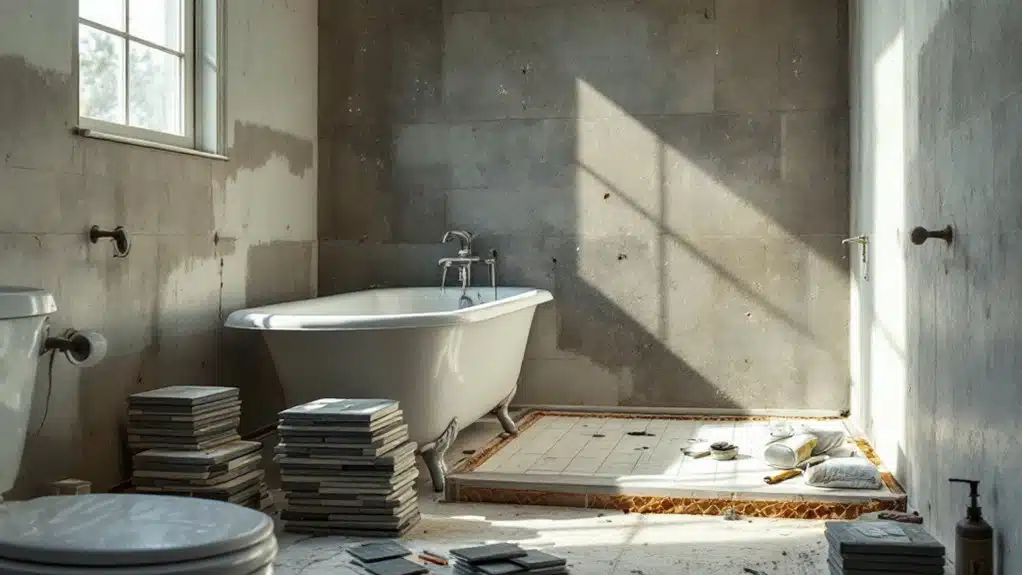
In Warner Robins, a tub-to-tile-shower conversion typically runs between $1,200 and $8,000, depending on the size of the space, materials you choose, and the complexity of the plumbing work involved. If you’re working with tighter budget options, a basic tile shower with standard fixtures sits closer to the lower end. Nevertheless, if you’re incorporating current design trends—like large-format tiles, frameless glass enclosures, or built-in niches—you’ll likely land toward the higher end. Investing in proprietary waterproofing technology helps protect your home from gradual moisture damage, mold, and mildew for years to come. Local labor costs in Warner Robins are usually more affordable than in larger metro areas, which works in your favor. Knowing your priorities upfront helps contractors serve your household’s needs more efficiently, keeping the project on schedule and within a range that makes sense for your home.
What Drives the Price Up (or Down)?
Several factors push that $1,200–$8,000 range in one direction or the other, and knowing them upfront helps you make smarter decisions before a contractor ever sets foot in your bathroom.
- Material quality – Budget tile costs less initially but wears faster in humid Georgia summers
- Design complexity – Custom patterns, niches, and built-in benches add labor hours quickly
- Fixture selection – A basic showerhead differs dramatically in price from a rainfall or multi-spray system
- Plumbing upgrades – Older Warner Robins homes often need pipe relocation or valve replacements
- Subfloor condition – Hidden water damage uncovered mid-project drives unexpected costs
Understanding these variables lets you prioritize what matters most—whether that’s durability for a busy family bathroom or an accessible design for an aging loved one. Investing in waterproofing technology during your conversion also prevents costly moisture and mold issues down the road, making it a worthwhile consideration in your budget planning.
Tile Choices and How They Affect Your Budget
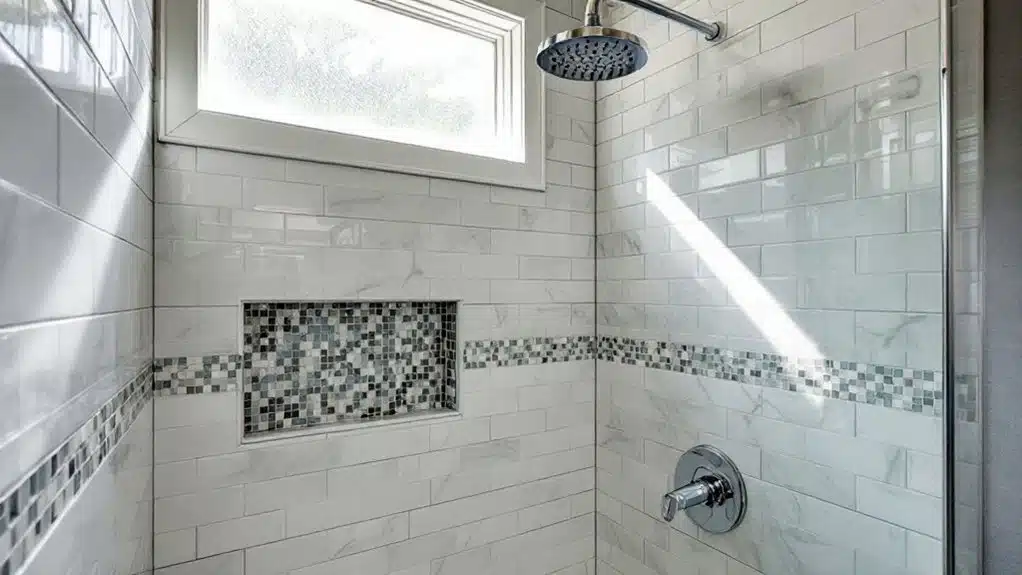
Tile is often where budgets shift the most, so choosing wisely here pays off throughout the rest of your project. Material quality directly affects both cost and longevity. Basic ceramic tiles run $1–$3 per square foot, while porcelain, natural stone, or large-format tiles can reach $10–$25 or more. Porcelain tiles offer exceptional durability and water resistance, making them particularly valuable in wet shower environments despite their higher upfront cost.
Warner Robins homeowners are increasingly drawn to current design trends like wood-look planks, textured neutrals, and subway tile variations—all varying in price. Larger tiles likewise require more precise installation, which raises labor costs.
If you’re converting a tub space for aging parents or someone with mobility needs, prioritize slip-resistant, easy-to-clean tiles over purely decorative options. Practical choices serve your household better long-term and keep your overall conversion budget more predictable.
Labor Costs for Warner Robins Shower Conversions
Labor typically makes up 40–60% of your total tub-to-shower conversion cost in Warner Robins, so it’s worth understanding what you’re paying for. Local labor rates reflect contractor expertise, regional demand, and project complexity.
Expect to pay for:
- Demo work – removing the tub, surround, and plumbing fixtures
- Plumbing adjustments – rerouting drain lines and water supply
- Waterproofing – applying membrane systems behind tile
- Tile installation – cutting, setting, and grouting your chosen tile
- Finish work – installing fixtures, niches, and trim pieces
Contractors with stronger expertise typically charge more, but they’re less likely to cut corners on waterproofing—which protects the families you’re serving from costly water damage down the road. Always request itemized quotes.
Is a Tub-to-Shower Conversion Worth It?
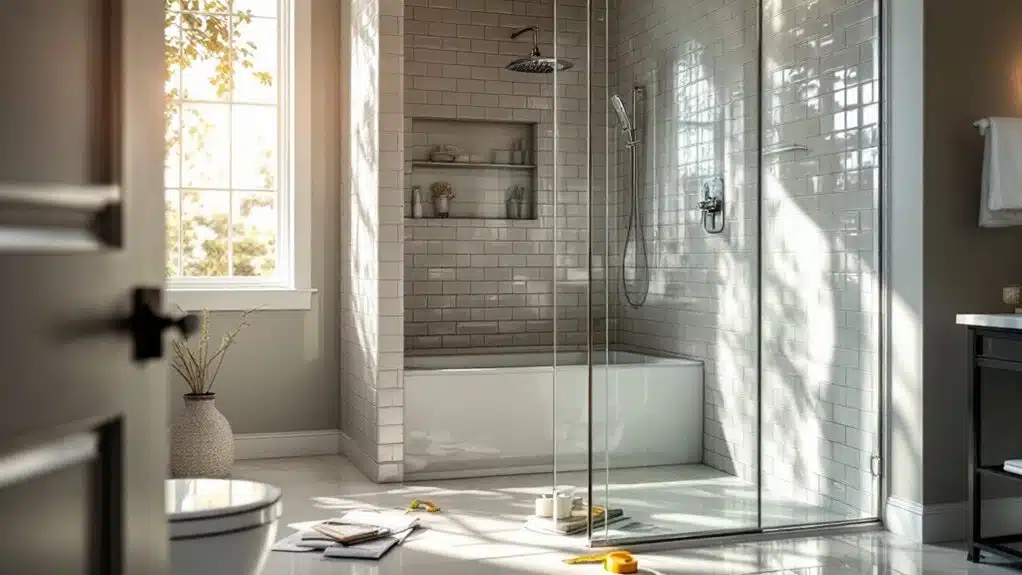
Whether a tub-to-shower conversion is worth it hinges on how you use your bathroom and what you’re hoping to get out of the project. If you’re a Warner Robins homeowner focused on functionality aesthetics, a tile shower delivers both accessibility and visual appeal. Weigh the pros cons carefully before committing.
On the upside, showers save water, modernize your space, and suit households without young children. The downside is that removing a tub can hurt resale value if buyers expect one. If your home has only one bathroom, keep the tub.
Ultimately, this conversion works best when it solves a real problem—limited mobility, outdated design, or poor space use. Make the decision based on your household’s daily needs, not just trends.
Frequently Asked Questions
How Long Does a Tub-To-Shower Conversion Typically Take to Complete?
Your tub-to-shower conversion timeline typically takes one to three days. You’ll move through project phases including demolition, waterproofing, and tile installation. Planning ahead guarantees you’re serving your household’s needs without lengthy disruption to your Warner Robins home.
Do I Need Permits for a Shower Conversion in Warner Robins?
You’ll likely need permits for your conversion in Warner Robins. Local regulations require you to check permit requirements with the city’s Building and Inspections Department before starting, ensuring your project meets all safety and compliance standards.
Can I Stay Home During the Tub-To-Shower Conversion Process?
Like a busy beehive, your home’ll buzz with activity during the conversion. You can stay home, but expect noise levels that’ll disrupt your day. Stay mindful of safety concerns around workers and wet surfaces.
What Warranties Should I Expect From Warner Robins Shower Conversion Contractors?
You’ll want to look for contractor guarantees covering both labor and materials. Reputable Warner Robins contractors typically offer warranty types including one-year workmanship warranties and manufacturer-backed product warranties, ensuring your clients receive lasting, quality shower conversions.
Will My Homeowner’s Insurance Cover a Tub-To-Shower Conversion Project?
Your homeowner’s insurance typically won’t cover a tub-to-shower conversion since it’s a renovation, not damage repair. Check your coverage limits before filing insurance claims, as Warner Robins insurers usually exclude elective bathroom remodeling projects from standard policies.
Conclusion
If you’re sitting on the fence about this project, think of your outdated tub as a money pit dressed in porcelain. A tub-to-shower conversion in Warner Robins isn’t just a bathroom upgrade—it’s a smart investment in your home’s value and your daily comfort. You’ll gain usable space, modernize your look, and potentially recoup costs at resale. When the numbers make sense, don’t wait.