
Herringbone, Chevron, and Diagonal: When Laid Patterns Are Worth the Extra Cost
Herringbone, chevron, and diagonal layouts cost 1.5 to 2 times more than standard installations, but they deliver measurable returns in visual impact and long-term property value. You’re paying for skilled labor, precise angled cuts, and higher material waste rates ranging from 10% to 25%. These patterns distribute structural stress more effectively in high-traffic areas and improve perceived craftsmanship. Knowing exactly where and how to apply each pattern makes all the difference.
Key Takeaways
- Herringbone, chevron, and diagonal patterns cost 1.5–2 times more than standard installations due to skilled labor and precise angled cutting requirements.
- Material waste ranges from 10–25% depending on the pattern, significantly increasing total project costs compared to straight lay’s 5–7%.
- These patterns add long-term value through visual continuity, perceived craftsmanship, and reduced maintenance when professionally installed with proper alignment.
- Pattern choice should match room dimensions, as herringbone suits narrow spaces while chevron and diagonal work best in larger areas.
- Before hiring, request proof of experience, a detailed layout plan, and adhesive recommendations to ensure quality installation outcomes.
What Sets Herringbone, Chevron, and Diagonal Apart
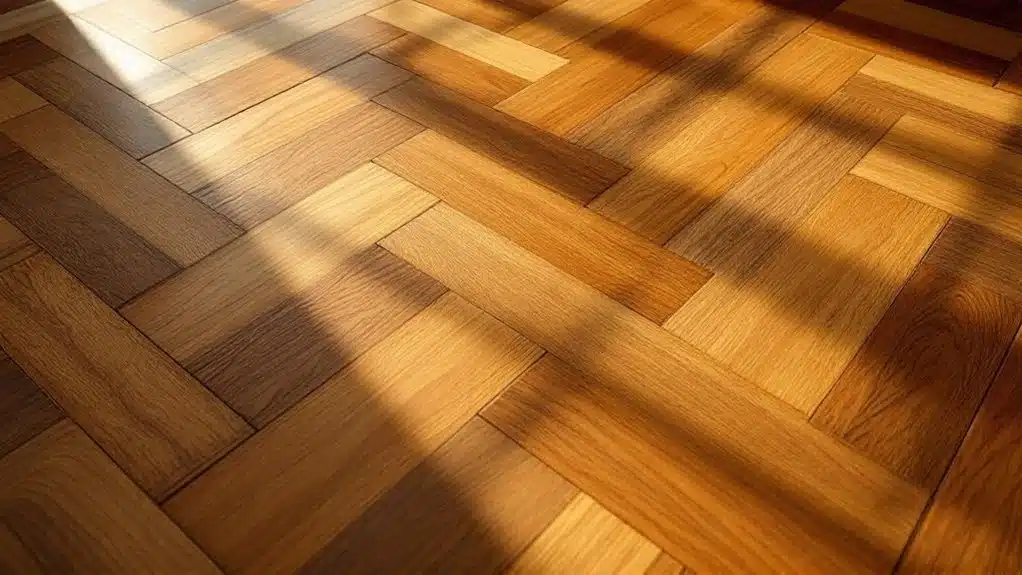
Herringbone, chevron, and diagonal are three distinct laid patterns that share a visual complexity yet differ fundamentally in their geometry and installation logic. In a pattern comparison, herringbone staggers rectangular tiles at 90-degree angles, creating a broken zigzag. Chevron cuts tiles at matching angles, producing a seamless V-shape with stronger visual impact. Diagonal orients square tiles at 45 degrees, offering straightforward installation complexity relative to the other two. Each pattern delivers timeless elegance and space improvement differently—chevron elongates rooms, herringbone adds texture, and diagonal expands perceived width. Their design versatility serves diverse client needs across residential and commercial settings. When paired with bold geometric designs, these laid patterns create even more striking visual contrasts that enhance modern aesthetics. Understanding these distinctions helps you recommend the right solution with confidence, ensuring aesthetic appeal, trend longevity, and lasting value for every client you serve.
Why Laid Patterns Cost More Than Regular Flooring
When you choose a laid pattern like herringbone or chevron, you’re committing to a labor-intensive installation process that demands skilled tradespeople who calculate angles, align joints precisely, and recut pieces continuously. Unlike straight-lay flooring, diagonal and angled patterns require installers to work methodically from a center point outward, adding hours to the job. You’ll additionally absorb higher material costs, as cutting boards at 45- or 90-degree angles generates significant off-cut waste that standard installations avoid. Our custom installations tailored to your specifications ensure that your investment in these premium patterns results in a polished, professional finish that reflects the craftsmanship required for such intricate work.
Labor-Intensive Installation Process
Unlike standard flooring installations where planks run parallel in a single direction, laid patterns require a considerably higher level of skill, precision, and time to execute correctly. Each piece demands individual measurement, cutting, and placement to maintain consistent angles and tight seams throughout the entire floor.
These installation techniques require your installer to establish precise reference lines, continuously verify alignment, and make complex angled cuts that standard installations simply don’t demand. A single miscalculation compounds across the entire layout, requiring costly corrections.
You’ll find that labor costs typically run 1.5 to 2 times higher than conventional installations, reflecting the additional expertise and time required. Choosing a qualified installer who understands these exacting methods protects your investment and guarantees the pattern’s visual impact translates beautifully into the finished space. Like open concept living, laid patterns demand thoughtful planning and expert execution to achieve a cohesive, unified aesthetic throughout your home.
Material Waste Increases Costs
Beyond labor, material waste represents another considerable cost driver that you’ll need to budget for when choosing laid patterns. Diagonal, herringbone, and chevron installations require cutting tiles or planks at precise angles, reducing material efficiency considerably. Understanding the durability and maintenance requirements of your chosen material—whether porcelain tile, ceramic tile, or luxury vinyl plank—can help inform your decision about whether the aesthetic benefits justify the additional waste and cost.
| Pattern Type | Typical Waste Percentage |
|---|---|
| Straight lay | 5–7% |
| Diagonal | 15–20% |
| Herringbone | 10–15% |
| Chevron | 15–22% |
| Complex diagonal | 20–25% |
Waste reduction strategies exist, including careful layout planning and pre-cutting optimization, but they only partially offset losses. You’ll want to order materials accounting for these percentages, particularly when matching natural stone or wood grain. Purchasing excess upfront protects clients against discontinued products during future repairs, transforming apparent waste into practical long-term resource management.
Herringbone, Chevron, or Diagonal: Which Fits Your Space?

Choosing between herringbone, chevron, and diagonal patterns isn’t just a matter of aesthetics—it’s a structural decision that directly affects how your space reads visually and how complex your installation becomes. Herringbone aesthetics suit rectangular rooms, creating directional flow that elongates tighter spaces. Chevron versatility works well in open-concept layouts, where its sharp, continuous V-shape unifies larger floor areas without visual interruption. Diagonal elegance fits transitional spaces, drawing the eye across corners and softening rigid room geometry. Each pattern also carries distinct pattern durability implications—herringbone distributes weight stress across alternating joints, while chevron and diagonal cuts concentrate stress at angled endpoints. When selecting your patterned flooring, prioritize materials with scratch-resistant finishes to maintain the visual appeal of intricate layouts under heavy use. Evaluate your room’s dimensions, foot traffic intensity, and subfloor condition before committing. The right pattern serves both function and the people who’ll use the space daily.
Does Your Room Size and Shape Support These Patterns?
How your room’s dimensions interact with a laid pattern determines whether the design improves the space or fights it. Narrow rooms benefit from diagonal layouts, which draw the eye across the width rather than emphasizing length. Square rooms handle herringbone and chevron similarly well, giving you flexibility in your layout considerations.
Before committing to a pattern, measure your room dimensions carefully. Rooms under 100 square feet risk feeling cluttered with aggressive V-shaped chevron alignments. Larger open-plan spaces, on the other hand, absorb bold patterns without visual tension.
Also consider doorways and changes. Patterns interrupted by walls or thresholds lose their visual rhythm and confuse the eye. Plan your starting point deliberately so the pattern reads cleanly from the room’s primary entry point. For homeowners seeking expert guidance on pattern selection and installation, Flooring Specialist offers comprehensive flooring solutions tailored to your room’s unique dimensions and design goals.
Which Flooring Materials Pull Off Laid Patterns Best
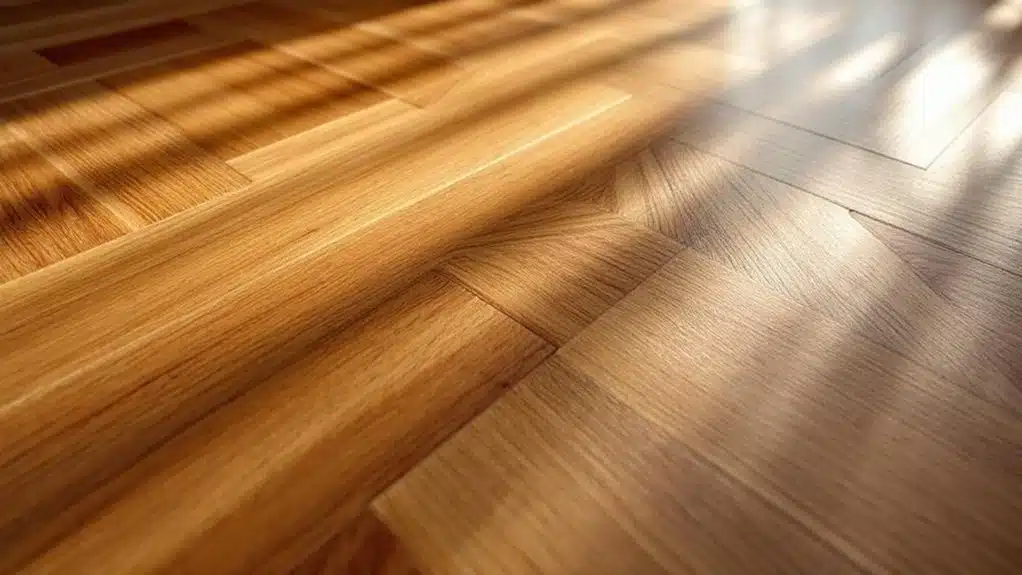
Not every flooring material executes laid patterns with equal success, and the differences come down to dimensional stability, edge consistency, and how the material responds to cutting.
When selecting materials for clients, prioritize these proven performers:
- Hardwood and engineered wood types offer precise milling, consistent thickness, and strong aesthetic impact, though maintenance requirements and durability factors vary by species and finish. Hardwood’s natural beauty and versatility make it particularly suitable for decorative laid patterns that enhance overall home aesthetics.
- Porcelain tile options deliver superior dimensional accuracy, supporting complex installation techniques with minimal lippage and long-term structural integrity.
- Luxury vinyl and laminate choices provide cost-effective alternatives with improved cutting ease, though thinner cores can compromise edge definition in tighter pattern geometries.
Match material properties to your client’s subfloor conditions, traffic levels, and budget before committing to any directional layout.
The Rooms Where These Patterns Justify the Upgrade Cost
When you’re deciding where to invest in a laid pattern, prioritize rooms that carry the most foot traffic and visual weight. Your entryway, kitchen, and main living area justify the higher installation cost as a result of pattern durability and design impact compounding over years of heavy use. Focal rooms like a primary bathroom or formal dining space likewise reward the upgrade, since the pattern becomes a deliberate design statement rather than background noise. Selecting durable, sustainable materials like luxury vinyl planks can enhance both the aesthetic appeal and long-term value of patterned installations while remaining practical for busy households.
High-Traffic Areas Win
Three rooms consistently deliver the strongest return on a laid pattern investment: entryways, hallways, and living rooms. Each location balances durability considerations with aesthetic improvement effectively.
- Entryways: Diagonal and herringbone layouts distribute foot traffic stress across more tile edges, reducing concentrated wear points that straight lays can’t manage. Larger format tiles create a seamless, clean look while accommodating these complex patterns without excessive cuts.
- Hallways: Chevron patterns create directional flow, guiding guests naturally through narrow corridors while reinforcing structural integrity through interlocked angles.
- Living rooms: Herringbone anchors furniture arrangements visually, providing a geometric foundation that defines functional zones without requiring additional design elements.
You’re investing in floors that serve both people and spaces simultaneously. These three locations guarantee your clients experience pattern value daily, making the premium cost defensible and purposeful.
Focal Rooms Benefit Most
Focal rooms amplify pattern investment since they concentrate visual attention and foot traffic where your clients spend the most time. Living rooms, primary bedrooms, and dining spaces function as natural focal points, making herringbone, chevron, and diagonal installations deliver measurable design impact. You’ll justify the upcharge when clients understand that these spaces host guests, anchor daily routines, and photograph prominently in listings or portfolios.
Prioritize rooms where sightlines from entryways create immediate visual engagement. A herringbone dining room floor, viewed upon entry, establishes the home’s design tone instantly. Diagonal installations in primary bedrooms visually expand perceived square footage, directly serving clients with smaller rooms. These laid patterns can influence the perception of space, transforming how residents and visitors experience each room. Match pattern scale to room dimensions carefully—oversized repeats overwhelm compact spaces, undermining the premium investment your clients made.
When the Higher Price Tag Actually Pays Off
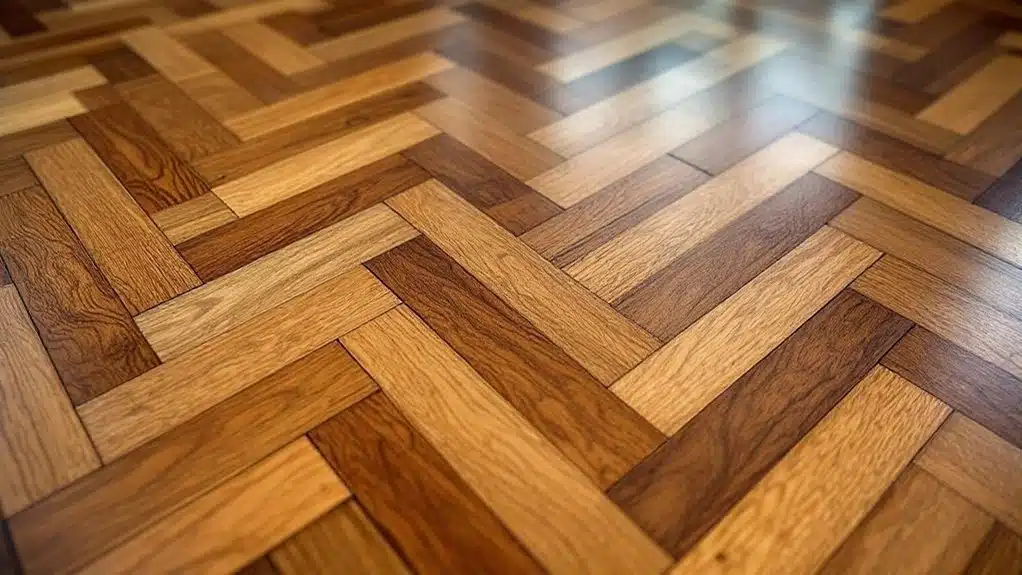
Investing in a laid pattern fabric pays off most when your project demands visual continuity across seams, such as in high-visibility upholstery, tailored garments, or architectural drapery. Design aesthetics and visual impact justify the cost when clients need lasting impressions. Consider long-term value against material choices carefully.
The Higher Price Tag Pays Off When:
- Style versatility matters — Herringbone and chevron translate across traditional and contemporary spaces, strengthening resale benefits and broadening appeal.
- Installation considerations are precise — Properly matched patterns reduce maintenance requirements by minimizing visible wear disparities over time.
- Visual continuity is non-negotiable — Seamless alignment across panels, cushions, or garment pieces enhances perceived craftsmanship, directly serving your client’s investment.
Choose laid patterns deliberately, prioritizing projects where their technical precision delivers measurable, lasting returns.
Questions to Ask Your Installer Before You Commit
Before you commit to an installer, ask targeted questions that reveal their technical competency with laid patterns specifically. Request documented proof of installer experience with herringbone, chevron, or diagonal layouts. Ask how many comparable projects they’ve completed within the last two years.
Probe their understanding of pattern durability by asking which subfloor conditions compromise long-term integrity. Ask which adhesive systems they recommend for diagonal cuts under high-traffic conditions. Request references from clients whose installations are at least three years old.
Ask whether they calculate waste percentages specific to your chosen pattern angle. Confirm they’ll provide a detailed layout plan before installation begins. Their answers will expose gaps in knowledge and help you protect your client’s investment with confidence.
Frequently Asked Questions
Can Laid Patterns Be Installed Over Radiant Heating Systems?
Yes, you can install laid patterns over radiant heating systems. You’ll need precise installation techniques to maintain heating efficiency, ensuring adequate expansion gaps and using heat-compatible adhesives to protect both your flooring and the system beneath.
How Long Does a Herringbone Installation Typically Take to Complete?
Like a master chef’s intricate dish, your herringbone installation duration typically spans 2-3 days longer than straight-lay patterns. You’ll navigate project complexities that demand precision, patience, and skill—transforming spaces others will cherish daily.
Are Laid Patterns Suitable for Outdoor or Covered Patio Spaces?
You can use laid patterns outdoors, but you’ll need to address durability concerns carefully. Select frost-resistant materials and commit to strict maintenance requirements, including regular sealing and joint inspection, to guarantee your patio withstands weather exposure effectively.
Can Existing Laid Pattern Floors Be Repaired Without Redoing Everything?
Think it’s all-or-nothing? You can repair existing laid pattern floors without redoing everything. Using targeted repair techniques and consistent floor maintenance, you’ll match tiles precisely, preserving the original pattern’s integrity methodically and cost-effectively.
Do Laid Patterns Affect How Furniture Arrangement Should Be Planned?
Yes, laid patterns absolutely affect your furniture arrangement. You’ll want to align pieces with the pattern’s directional flow to achieve visual harmony, ensuring furniture flow complements rather than fights the geometric lines beneath your clients’ feet.
Conclusion
You’re looking at a 15–25% increase in labor costs alone when choosing laid patterns over straight installations—but here’s what that buys you: rooms that appraisers consistently value 3–5% higher than comparable spaces with standard flooring. You’ve now got the technical framework to evaluate herringbone, chevron, and diagonal against your specific room dimensions, material choices, and budget constraints. Run the numbers carefully, consult your installer, and you’ll make a precise, defensible decision.