What a Flooring Showroom Gets You That a Big Box Store Never Will

personalized service and expertise

When you visit a flooring showroom, you get specialists who know flooring inside and out, not seasonal staff juggling multiple departments. You’ll access curated premium brands, large samples to test at home, and personalized guidance built around your actual space, lifestyle, and timeline. Showrooms additionally connect you with vetted installers and back you up long…

Read More

What Are Transition Strips and Do You Actually Need Them?

transition strips essential flooring connectors

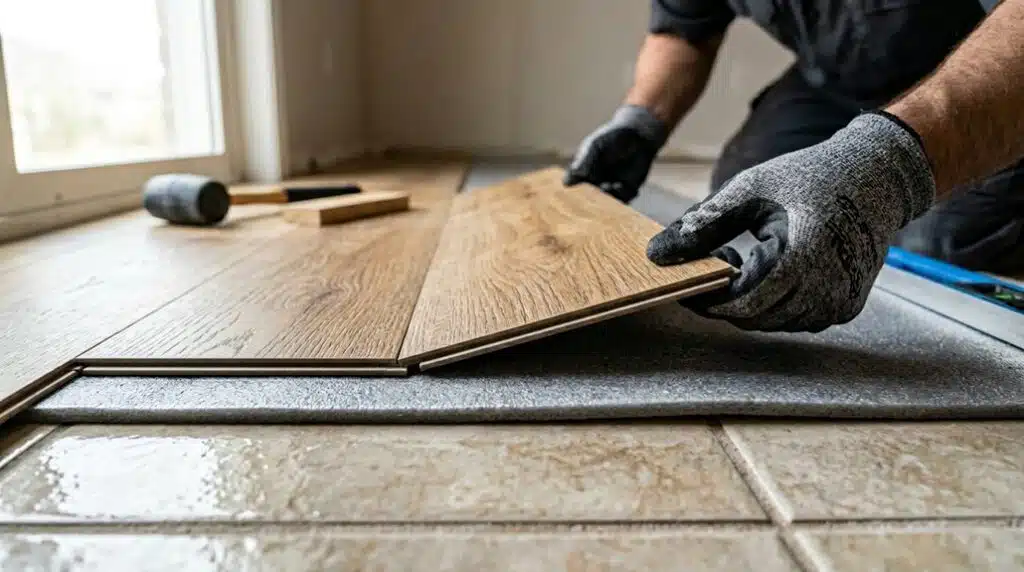
Changeover strips are narrow pieces of metal, wood, or vinyl that bridge the gap where two different flooring surfaces meet. You’ll typically need them wherever floors change material, height, or both. They protect exposed edges, prevent tripping hazards, block moisture infiltration, and allow floors to expand and contract naturally. Skipping them can lead to buckling,…

Read More

Should You Replace Floors Before or After Painting?

floors before or after

You should always paint before you replace your floors. Painting first eliminates the risk of drips, splatters, and spills landing on your brand-new surfaces. It lets you apply primer and multiple coats confidently without worrying about damaging finished flooring. Getting the sequence wrong forces costly repairs, touch-ups, or even full replacements. The standard rule saves…

Read More

Best Flooring for Allergy Sufferers — What Traps Dust and What Doesn’t

allergy friendly flooring options

For allergy sufferers, your flooring choice directly affects how many allergens accumulate in your home. Carpet traps dust mites, pet dander, and pollen deep within its fibers, making complete extraction nearly impossible. Hard surfaces like hardwood, tile, and vinyl resist allergen embedding and clean more effectively with damp mopping or HEPA vacuuming. Maintaining indoor humidity…

Read More

Herringbone, Chevron, and Diagonal: When Laid Patterns Are Worth the Extra Cost

laid patterns enhance design

Herringbone, chevron, and diagonal layouts cost 1.5 to 2 times more than standard installations, but they deliver measurable returns in visual impact and long-term property value. You’re paying for skilled labor, precise angled cuts, and higher material waste rates ranging from 10% to 25%. These patterns distribute structural stress more effectively in high-traffic areas and…

Read More

Why Two Flooring Estimates Can Be $3,000 Apart (And What That Gap Really Means)

estimate discrepancy explained

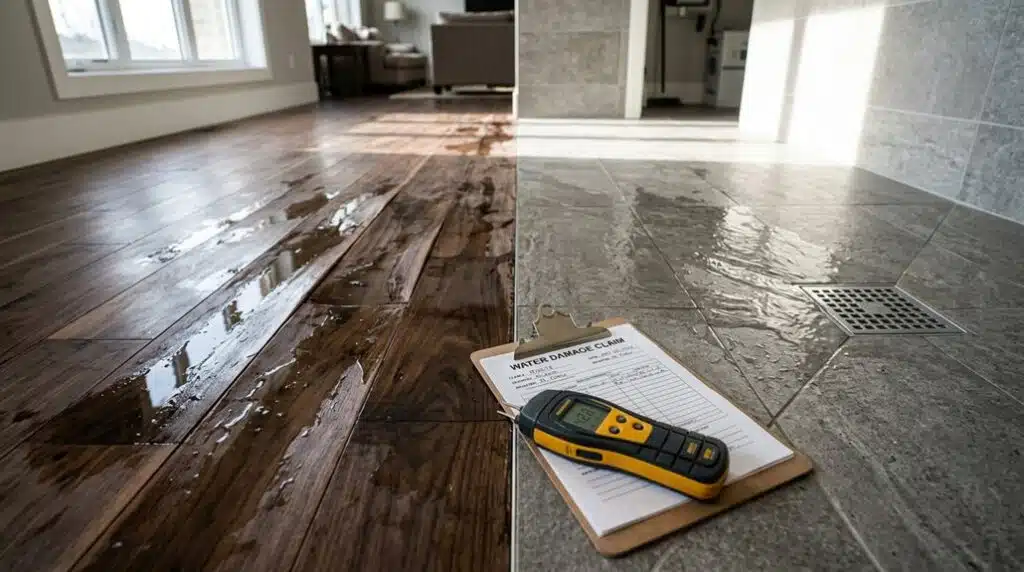
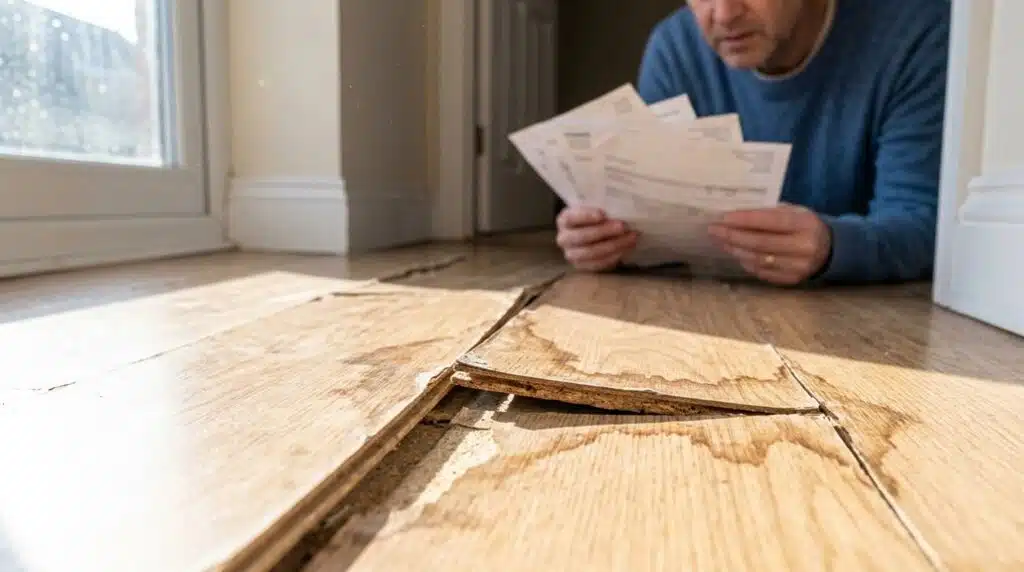
A $3,000 gap between two flooring estimates rarely comes down to one contractor being greedy. It’s usually built from several compounding differences — material grade, subfloor preparation, labor scope, and disposal costs. One contractor documents everything; the other buries it. You’re not comparing two prices — you’re comparing two entirely different scopes of work. Understanding…

Read More

What Flooring Gives You the Best ROI When Flipping a Home in Middle Georgia

best roi flooring options

When flipping a home in Middle Georgia, luxury vinyl plank (LVP) gives you the strongest ROI for most spaces since it’s waterproof, durable, and affordable to install. Hardwood still pays off in dining rooms and entryways on mid-to-higher-end flips. Carpet works in bedrooms where buyers want comfort. The key is matching the right material to…

Read More

Upstairs vs. Downstairs Flooring: Do They Have to Match?

flooring consistency debate explored

Your upstairs and downstairs floors don’t have to match — but they should feel intentional together. Downstairs spaces benefit from durable hardwood, tile, or luxury vinyl, while upstairs rooms favor carpet or engineered hardwood for comfort and noise reduction. The key is maintaining shared undertones, consistent trim, and smart connections that unify different materials. Get…

Read More

What Home Inspectors Look for When They Check Your Floors

floor condition assessment criteria

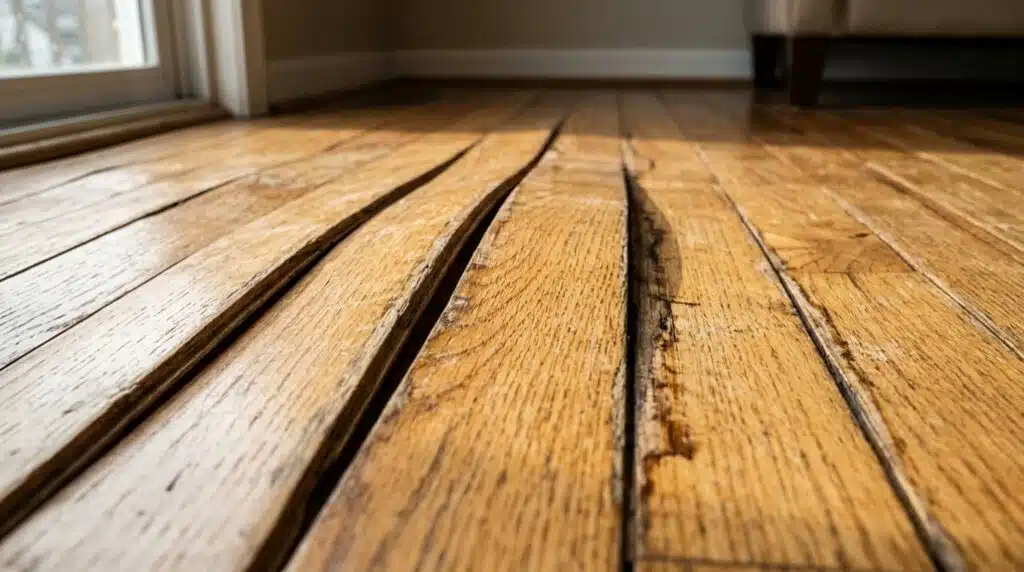
When a home inspector evaluates your floors, they’re systematically checking for structural failures, moisture intrusion, pest damage, and material defects that could cost you thousands in repairs after closing. They’ll walk every surface, probe soft spots, measure slope consistency, and assess each flooring type for its specific failure points. From subfloor rot to hollow tiles…

Read More