
Top Questions We Get About Flooring Installation in Warner Robins
When it comes to flooring installation in Warner Robins, you need to reflect on several important factors. First, think about the best flooring types for your lifestyle, like durable luxury vinyl for high-traffic areas or warm hardwoods for comfort. Preparation is key—clear your space and check for subfloor repairs. Installation costs vary based on materials and room size, and you can choose between DIY or professional help. Understanding these aspects will help you make knowledgeable choices, so stick around to learn more.
Key Takeaways
- Installation costs in Warner Robins vary by flooring type, complexity, and room size; budgeting for preparation is essential.
- Professional installation typically ensures a faster, higher-quality finish compared to DIY, especially for complex projects.
- Clear the room of furniture and check subfloor conditions prior to installation to facilitate a smooth process.
- Regular maintenance, including sweeping and gentle mopping, helps preserve the appearance and longevity of your flooring.
- Communication with installers about specific needs is crucial for a successful and efficient flooring installation experience.
What Types of Flooring Are Best for My Home?
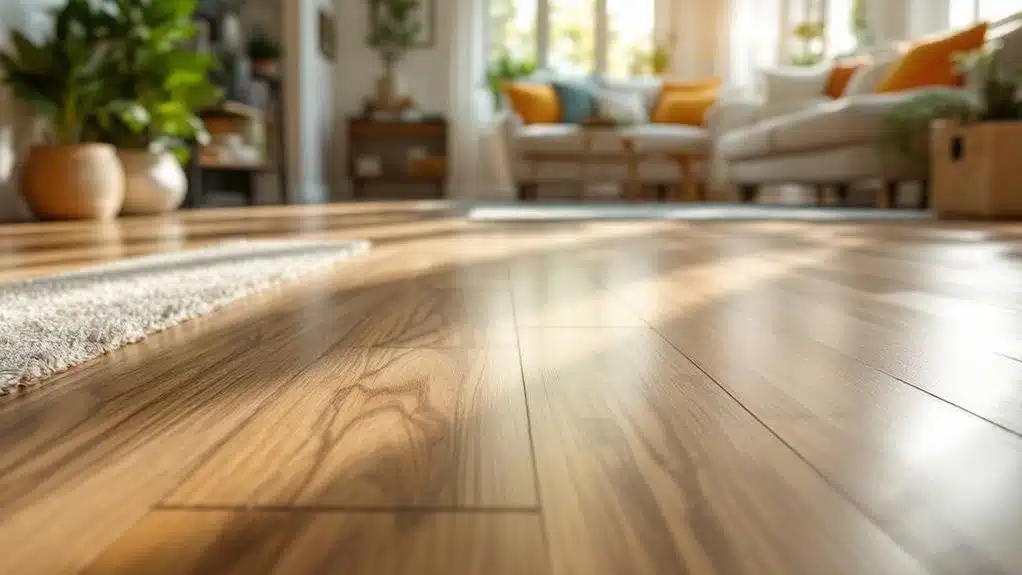
When considering what types of flooring are best for your home, think about your lifestyle, aesthetics, and maintenance needs. You’ll want to evaluate your flooring preferences based on how much foot traffic your space experiences. For high-traffic areas, materials like luxury vinyl and tile offer excellent durability, resisting scratches and stains. If you’re prioritizing comfort and warmth, hardwood or laminate may be suitable, though they require more upkeep. Consider the aesthetic you wish to achieve—sleek and modern or warm and rustic? Each material has its pros and cons; balancing aesthetics with material durability is key. By aligning your choices with your needs and personal style, you’ll create a beautiful space that serves both you and your guests effectively. Additionally, choosing exceptional durability in your flooring can significantly enhance its lifespan and maintain its appearance.
How Do I Prepare My Home for Flooring Installation?
Preparing your home for flooring installation involves several important steps to guarantee a smooth process and ideal results. First, clear the rooms where flooring removal will occur. Move furniture, rugs, and any personal items to prevent damage and assure easy access for installers. Next, check for any necessary repairs on the subfloor; addressing these before installation can save you time and money later. It’s prudent to create a designated area for the installers to work, minimizing disruptions. Finally, confirm the room preparation includes a clean, dry environment, as moisture can affect the new flooring. Following these steps will help promote a seamless installation, allowing you to enjoy your new floors sooner. Additionally, consider consulting with an expert for custom installations that can enhance both the design and functionality of your new flooring.
What Is the Average Cost of Flooring Installation?
When considering flooring installation, it’s crucial to understand the average costs involved. Factors like the type of flooring you choose, the complexity of the installation, and labor expenses can greatly affect your overall budget. By examining these elements, you can make knowledgeable choices that align with your financial plans. For instance, the average cost for hardwood flooring installation is significantly higher than that for carpet.
Factors Affecting Costs
Understanding the various factors that influence flooring installation costs is vital for making knowledgeable choices. Several elements play an important role in determining your final installation quotes and the overall expense:
- Flooring Materials: Different materials, like hardwood, laminate, or tile, vary in price and durability.
- Room Size: Larger spaces require more materials and labor, impacting the total cost.
- Preparation Work: Existing flooring removal, subfloor repairs, and leveling can add to the overall expense.
Different Flooring Types
Choosing the right flooring type can greatly affect your installation costs. When considering options, you’ll find that hardwood options tend to be pricier but offer timeless elegance and durability. They can enhance the aesthetic of any space, making them a popular choice for those looking to invest long-term. On the other hand, tile styles provide versatility and affordability, with various finishes and designs to suit your needs. They’re particularly well-suited for high-moisture areas like kitchens and bathrooms. Ultimately, your choice impacts not just the initial cost but also long-term maintenance and resale value. Assess your lifestyle, budget, and desired look to guarantee you make a knowledgeable choice that serves both your home and your wallet well.
Installation Labor Expenses
While the cost of flooring installation can vary considerably based on factors like material type and room size, you can typically expect to pay between $1 to $4 per square foot for labor alone. It’s crucial to understand the installation cost breakdown to make knowledgeable choices.
Consider these key elements in your labor rate comparison:
- Complexity of the installation: Intricate designs may require more skilled labor.
- Type of flooring: Certain materials, like tile, often need specialized techniques.
- Geographical location: Labor rates can differ based on your area’s market demand.
How Long Does the Installation Process Take?
How long can you expect the flooring installation process to take? The installation duration can vary depending on the type of flooring and the size of your space. Typically, it can take anywhere from a few hours to a couple of days. For instance, installing hardwood might take longer than vinyl because of the necessary acclimation process. To guarantee a smooth experience, consider these preparation tips: clear the area of furniture, remove any old flooring, and communicate specific requirements with your installer. This proactive approach not only streamlines the process but likewise helps you anticipate timelines more accurately. Ultimately, a professional installer will provide a detailed estimate, allowing you to plan accordingly for your beautiful new floors.
Can I Install Flooring Myself, or Should I Hire a Professional?
Deciding whether to install flooring yourself or hire a professional boils down to your skills, the tools required, and your budget. You’ll need to assess if you have the expertise and equipment to tackle the job effectively, in addition to how much time you can dedicate to the project. Understanding these factors will help you make an informed choice that best fits your needs.
DIY vs. Professional Expertise
Are you contemplating whether to tackle your flooring installation as a DIY project or to enlist the help of a professional? While DIY can seem appealing because of cost benefits, consider the skill requirements involved.
Here are some factors to weigh:
- Time Commitment: DIY projects can take considerably longer than hiring an expert.
- Quality Assurance: Professionals bring experience, ensuring a flawless finish.
- Long-Term Value: Proper installation can prevent future repair costs, making professional help a wise investment.
Ultimately, if you have the skills and time, DIY can be rewarding. On the other hand, if you prioritize quality and efficiency, hiring a professional could be the better choice for your flooring installation.
Tools and Equipment Needed
When considering a flooring installation, having the right tools and equipment is critical for guaranteeing a successful outcome, whether you choose to go the DIY route or hire a professional. Here’s a handy table outlining fundamental flooring tools and installation equipment:
| Flooring Tools | Installation Equipment |
|---|---|
| Measuring tape | Floor scraper |
| Utility knife | Miter saw |
| Spacers | Nail gun |
| Trowel | Level |
If you’re planning to install flooring yourself, investing in these tools is important. Nevertheless, if you feel uncertain about your skills, hiring a professional with the right installation equipment guarantees a polished finish and saves you time. Remember, quality matters when serving your space!
Time and Cost Factors
Installing flooring can be a rewarding project, but it also comes with several time and cost considerations that can influence your decision. When deciding whether to tackle the installation yourself or hire a professional, think about the following factors:
- Installation Timeline: DIY projects can extend timelines because of learning curves, while professionals often work efficiently.
- Cost Breakdown: You’ll save on labor costs with a DIY approach, but be aware of tool rental and material expenses.
- Skill Level: Consider your experience; mistakes can lead to costly repairs or replacements.
Ultimately, weighing these factors will help you choose the best route for your flooring installation, ensuring that your investment serves you well for years to come.
What Should I Expect on Installation Day?
As the installation day arrives, you can expect a well-coordinated process that transforms your space efficiently. Your installation team will arrive on time, equipped with the necessary tools and materials to meet your installation expectations. They’ll begin by preparing the area, removing old flooring, and ensuring the subfloor is ready. Throughout the day, you’ll see skilled professionals working diligently to lay your new flooring with precision. You can anticipate periodic updates from the team, keeping you informed about the progress. The goal is to minimize disruptions while delivering high-quality results. By the end of the day, you’ll have a beautifully installed floor that improves your home and serves your needs for years to come.
How Do I Maintain My New Flooring After Installation?

How can you guarantee your new flooring remains in pristine condition after installation? Proper floor care is crucial, and following these maintenance tips will make a difference:
- Regular sweeping or vacuuming to remove dirt and debris, preventing scratches and wear.
- Mopping with a damp cloth using a gentle cleaner, ensuring you don’t soak the floors, which can lead to damage.
- Using floor protectors on furniture legs to avoid dents and scratches, preserving the beauty of your flooring.
Conclusion
In the end, choosing the right flooring can transform your home from ordinary to extraordinary. While the thrill of a DIY project can be tempting, hiring a professional often guarantees a flawless finish and saves you time. On installation day, you’ll witness your vision come to life, but don’t forget the maintenance that follows, as it’s vital for preserving your investment. Balancing these elements will lead to a beautiful, lasting improvement for your space in Warner Robins.